

How we reacted when the Budget wasn’t all it seemed for SEND
Working in and with the media means knowing that you can plan and strategise for key calendar dates, like the Budget, but that nothing is ever set in stone and predictable. Good PRs always need to be able to react in an agile and flexible manner to the inevitable curveballs lobbed our way.
Ahead of Rachel Reeves’ much anticipated Budget, we had provisional plans in place for a reaction statement from our client the Disabled Children’s Partnership (DCP) based on our expectations and predictions. The Cause team watched her announcements with anticipation, to see what it would mean for the families and professionals the DCP represent in the SEND community.
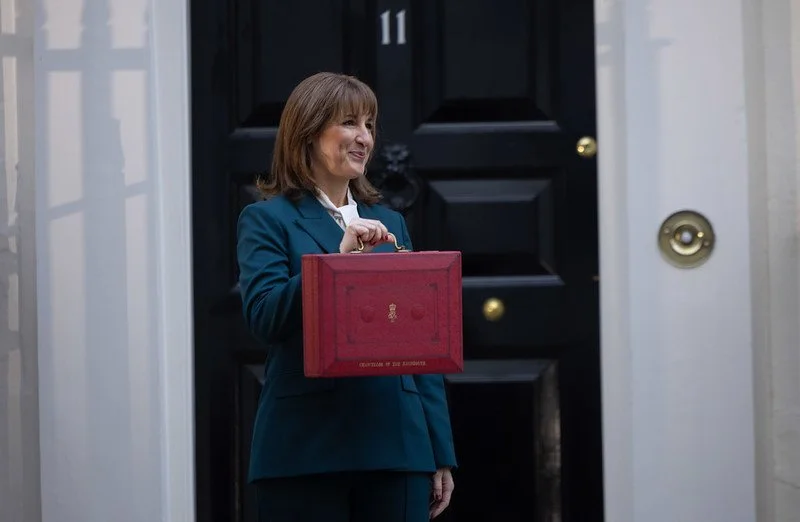
Rachel Reeves before delivering her 2025 Budget credit: Simon Walker / HM Treasury
Disappointingly for those of us working and existing within the community there was nothing in the Budget for SEND. The Cause team were quick to work with the DCP to draft a response DCP outlining what we hoped to see next from the government, making sure we were positioning the organisation clearly within the national conversation.
However, once the Office for Budget Responsibility (OBR) published its deeper analysis, it was revealed that the Government plans to take over councils’ financial responsibility for SEND funding. On the surface, that might have sounded like a positive for local authorities but the OBR’s report highlighted a £6 billion grey area. This is when our phones at Cause began to ring.

One of the many headlines following the OBR’s analysis
Because of our initial DCP statement, our existing media relationships and our expertise in this sector, journalists began calling us to get our take on what these plans, and the deficit, meant for SEND reforms.
The media wanted to know if the government absorbs those costs, where will that money come from? What will it mean for the support children and young people actually receive? And will cuts fall elsewhere in already strained provision? This then spiraled into a new and increasingly interesting story for the media - born out of the absence of SEND measures in the Chancellor’s Budget.
Thankfully, having been newsroom journalists ourselves, we were able to pivot quickly. Our trusting relationship with our clients at the DCP meant we could work this uncertain landscape to our advantage, turning the story around and adapting our communications throughout the day.
This resulted in coverage for the DCP’s campaign manager Stephen Kingdom in The Times print and online as well as the Daily Express, while the DCP chair, Anna Bird’s comments were used within a deeper dive article on the BBC website. DCP data was also used in Ian Birrell’s i paper Budget overview column.
We also made sure families were able to tell their own stories, to show the human impact of the story. We connected mum Gaby Boast and her daughter Nellie with ITV News, and their story appeared on the broadcaster’s Instagram and TikTok channels.
This kind of agility and responsiveness is only possible when PR teams and clients work together and trust each other to produce clear communications, work to quick sign-offs, and react at pace without compromising accuracy or credibility.
Shadow Education Secretary Bridget Phillipson has since publicly stated that the OBR has got it wrong and the cost won’t fall on schools, adding to the confusion and uncertainty around an already murky understanding of what’s next for the SEND community. This time we at Cause decided not to rush in with more communications. The DCP had made their point, stating that they welcome any reforms that genuinely support families, but significant questions remain about funding, implementation, and long-term accountability. We didn’t think they needed to say any more, and holding their statement there gives them a clear stance in an ever changing environment.
Cause was started by founder Sam partly out of her own experience as a SEND parent to her daughter Elvi, so this is a conversation we are personally invested in and we will be waiting to hear what the Government’s SEND plans are. We are of course hoping they are positive for parents and young people, but aware that, for the DCP, the conversation is on-going.