

How to make surveys work in media
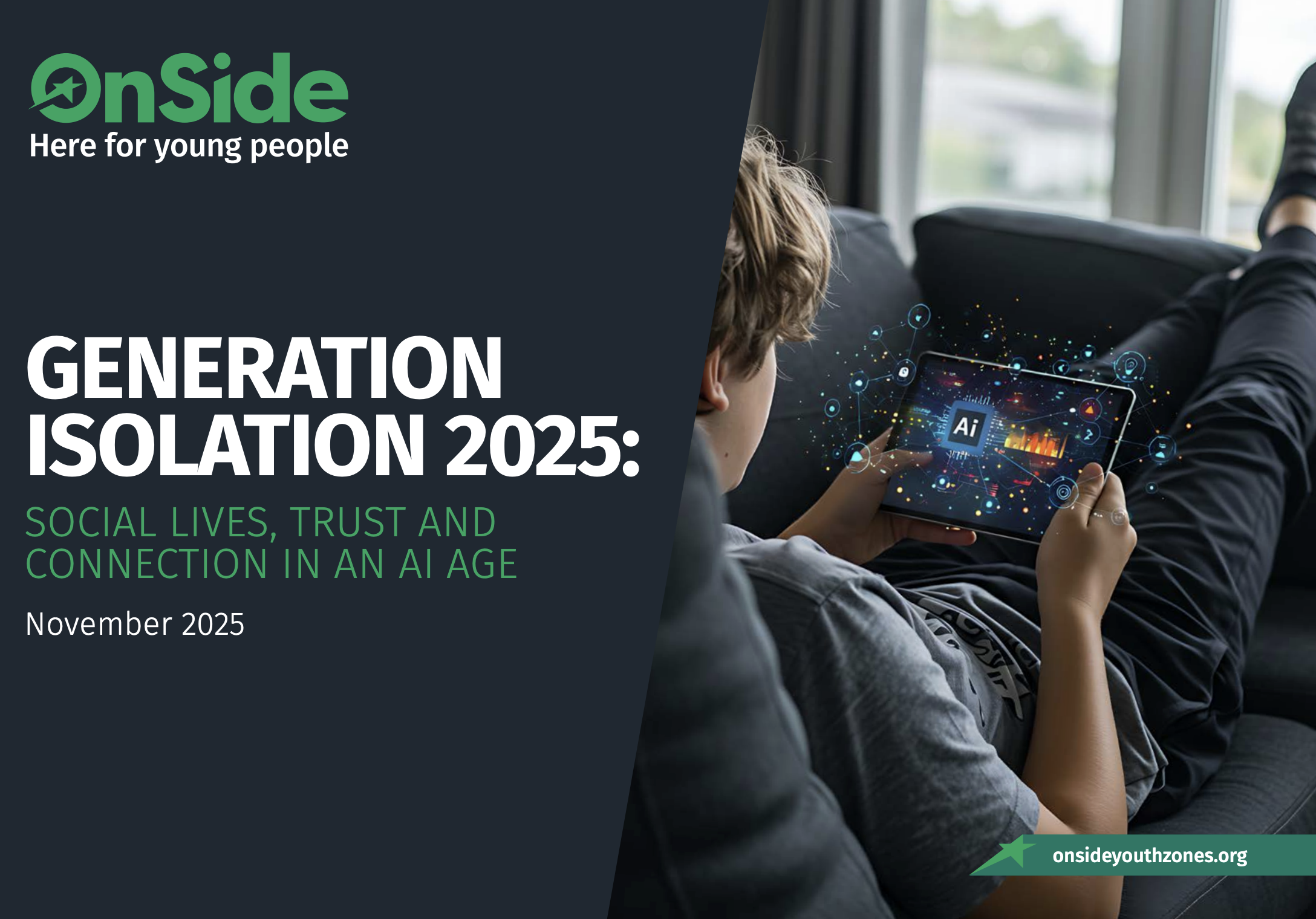
OnSide’s Generation Isolation 2025 Report is based on a YouGov survey
National news journalists can receive more than 500 pitches a month and many of those wannabe stories are surveys. So how do you ensure your client’s poll is the one that achieves coverage?
This week our incredible client OnSide youth charity released its fourth annual Generation Isolation Report analysing how 11 to 18 year olds spend their free time.
The findings were stark. Almost four in ten (39%) young people turn to AI for advice, emotional support or companionship despite the fact only six per cent of users in this age group trust AI. Many are turning to bots for support because they don’t have friends to ask or trusted adults.
At Cause Communications we ensured the survey Report was covered in more than 120 news stories from the The Sun, Daily Telegraph, Daily Express, Daily Mirror, Independent, Evening Standard, LBC, The National, Futurism and Scottish titles, alongside widespread international digital syndication across MSN, Yahoo and AOL.
OnSide’s Chief Executive, Jamie Masraff, featured on BBC news radio and across the network of Radio News Hubs stations.
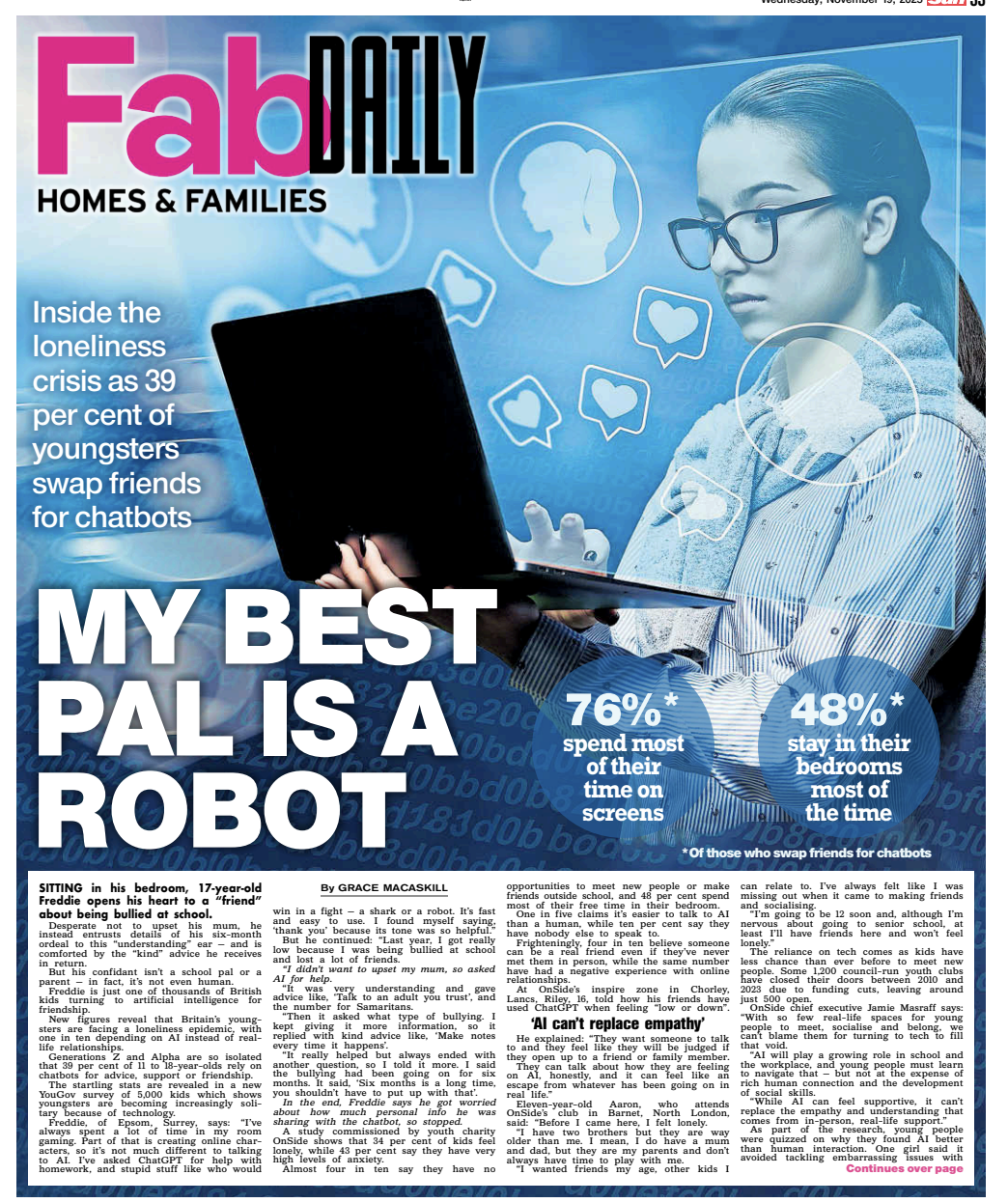
Generation Isolation 2025 coverage included a two-page feature in The Sun
Cause achieved a 179% year-on-year increase in coverage year on year by using four key ingredients; news judgement, credibility, storytelling and partnership. Here’s how that worked:
News Judgement
A survey is your one chance to ask a large group of people about common themes. For rigour, questions must be focused, unbiased and clear. For media coverage they must reveal new facts.
There’s no point wasting charity resources on polling if you are asking the same questions another organisation asked six months previously. At Cause we spend time tracking surveys to thoroughly research what is already known and what interests journalists.
We collaborate with clients to ensure poll questions work hard and help build a true picture of need, exposing gaps in public provision or pointing towards solutions.
Each year we help OnSide's in-house comms team structure questions that create news lines without sacrificing the survey’s focus or research credibility. For example, this year we asked this first generation of digital natives not just how they use artificial intelligence but why. What gap is AI filling?
Credibility
Most journalists are reluctant to take polls seriously if they have a sample size smaller than 2,000 respondents. Generation Isolation is based on an annual survey of 5,000 young people each year.
OnSide commissions trusted data brand YouGov. This ensures research is academically rigorous and that proven guidelines are used for polling high-school-age respondents.
Storytelling
Raw data has to be interpreted, then findings illustrated with real-life examples. Personal stories and quotes create memorable emotional centres for an audience new to the figures.
This year we helped host focus groups to hear young people’s opinions on the Generation Isolation results and built in their quotes to our press release.
We also drew on our working relationship with OnSide’s brilliant Youth Advisory Board. Members talked candidly about their experiences with AI.
Their thoughts added a clear line between the data and the charity’s core mission - creating safe, exciting, inviting state-of-the-art youth centres in which young people can have fun and build confidence and connections.
Partnership
A strong agency/client relationship is vital. Working with OnSide’s dynamic Director of Communications who leads on Generation Isolation, its highly-trained youth workers, Youth Advisory Board, and 55,000 young members is a privilege.
Our knowledge of their work and of each annual report means a familiarity with the data sets and an understanding of what questions might be changed year-on-year, as young people’s social lives change, and which should be kept to illustrate strong trends.
Clearly PRs need strong news contacts to place a story. Journalists must trust you to provide news stories that their audience will find interesting. They need to know they can open your email and find a punchy, personalised press release with just enough information to pique their interest and inspire them to share your findings.
The release of this year’s Generation Isolation report is ongoing for us at Cause and forms part of a far wider national conversation around how the country supports the next generation to build social skills, make meaningful friendships and develop the connections they need to thrive. It’s a conversation we’ll continue to champion on behalf of OnSide, spotlighting the vital work happening every day across their Youth Zones.
To read the full Generation Isolation report visit: www.onsideyouthzones.org/generationisolation